Modal Title
Lorem ipsum dolor, sit amet consectetur adipisicing elit. Iusto porro officiis beatae accusantium nam quis soluta? Sapiente in non inventore, explicabo distinctio, nostrum impedit delectus obcaecati corporis officiis, nihil repellendus.

Lorem ipsum dolor, sit amet consectetur adipisicing elit. Iusto porro officiis beatae accusantium nam quis soluta? Sapiente in non inventore, explicabo distinctio, nostrum impedit delectus obcaecati corporis officiis, nihil repellendus.

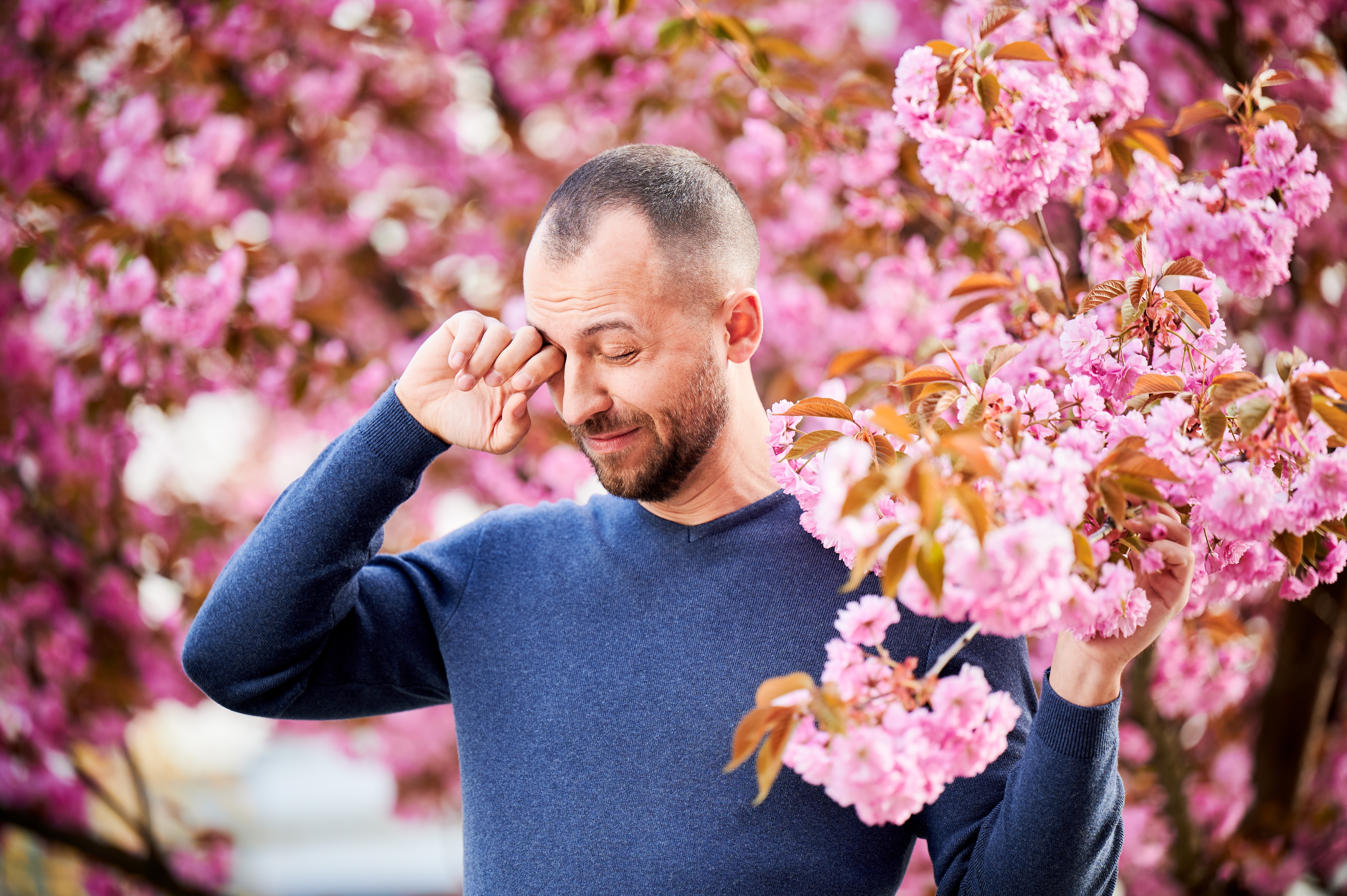
Red, irritated eyes can come from several causes, but two of the most common are dry eye disease and eye allergies. Because the symptoms overlap, it is easy to self-treat the wrong problem and stay uncomfortable longer than necessary. Knowing the key differences can help you choose the right next step and know when it is time to schedule an eye exam.
Both dry eye and allergies can make your eyes look red and feel tired, gritty, or watery. That is because the tear film is involved in both conditions. With dry eye, the surface of the eye is not staying evenly lubricated. With allergies, the immune system reacts to triggers like pollen, pet dander, or dust, causing inflammation that can also disrupt the tear film.
If itching is the main complaint, allergies are more likely. Allergy-related itching can be intense and tends to flare in certain seasons or environments. Dry eye can cause irritation and a scratchy sensation, but true itching is usually milder.
Dry eye symptoms often build gradually and can worsen with screens, air conditioning, heating, wind, or long periods of reading. You may notice burning, stinging, or a feeling like something is in your eye. Many people are surprised that dry eye can also cause watering - the eyes may “overflow” with reflex tears that do not provide lasting comfort.
Dry eye is also commonly linked to meibomian gland dysfunction, where the oil layer of your tears is not stable enough to prevent evaporation. This is why dry eye can feel worse late in the day, after contact lens wear, or after heavy screen time.
Eye allergies often come with watery eyes, puffiness around the lids, and a pattern that matches exposure - like symptoms that start after being outdoors or cleaning. Many people also have sneezing, a runny nose, or sinus pressure alongside itchy, watery eyes. Allergy symptoms may improve quickly after rinsing the eyes, changing environments, or using allergy medications.
If you suspect allergies, avoid rubbing your eyes and consider preservative-free lubricating drops to rinse irritants away. For possible dry eye, take screen breaks, stay hydrated, and use artificial tears as needed. Be cautious with redness-relief drops and some antihistamine drops, which can worsen dryness for certain patients.
If symptoms last more than a few days, keep returning, or affect your vision or contact lens comfort, a comprehensive exam can identify what is really going on. Your optometrist can evaluate tear quality, eyelid health, and the ocular surface to confirm dry eye disease, allergies, or a combination of both.
To schedule an eye exam and get lasting relief, contact Modern iCare Optometry. Visit our office in Palm Desert, California, or call (760) 674-7272 to book an appointment today.
Flowbite is an open-source library of interactive components built on top of Tailwind CSS including buttons, dropdowns, modals, navbars, and more.
Check out this guide to learn how to get started and start developing websites even faster with components on top of Tailwind CSS.
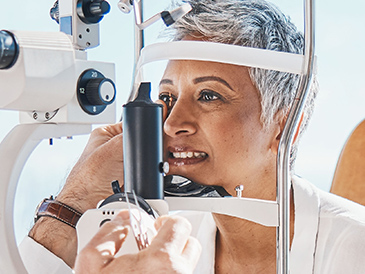
Discover personalized eye care excellence with our comprehensive services. From eye exams to advanced diagnostics, trust us for all your vision needs.
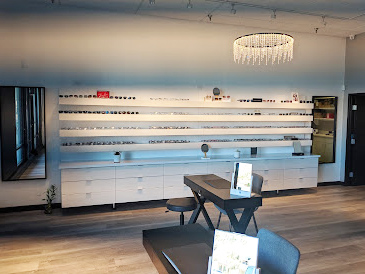
For non-urgent questions or to learn more about our services, contact us today!
© 2026 Modern iCare Optometry. All rights Reserved - Accessibility Statement - Privacy Policy - Sitemap
Managed and Designed by 